Top Benefits of Mobile App Development for Businesses
Mobile devices have become an important part of everyday life. Customers use smartphones to search for information, communicate with businesses, shop online, manage services, and access digital platforms.
For businesses, mobile applications provide an opportunity to create direct and convenient connections with customers. A professionally developed app can improve user experience, strengthen brand visibility, and provide useful tools for managing services.
What Is Mobile App Development?
Mobile app development is the process of designing and building applications for smartphones and other mobile devices.
Depending on business requirements, applications can be developed for platforms such as Android and iOS or through cross-platform technologies.
Business applications can include:
- E-commerce apps
- Service booking apps
- Educational apps
- Business management apps
- Customer support apps
- Content platforms
- Productivity applications
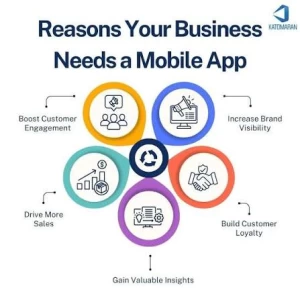
1. Improves Customer Engagement
A mobile application gives customers a convenient way to interact with a business.
Customers can use an app to:
- Browse services
- View products
- Receive updates
- Contact support
- Manage accounts
- Access useful features
A convenient digital experience can encourage customers to interact with a business more frequently.
2. Strengthens Brand Recognition
A mobile application places a business brand directly on a customer's device.
Consistent use of your logo, colors, typography, and messaging can create a recognizable brand experience and help customers become more familiar with your company.
3. Provides Convenient Access
Customers can access an app from almost anywhere using their smartphones.
Instead of visiting a website through a browser every time, users can open the application and access important features directly.
This can be especially useful for businesses that provide frequently used services.
4. Supports Personalized Experiences
Mobile applications can provide customized experiences based on user preferences and interactions.
Depending on the type of application, businesses can offer:
- Personalized content
- Saved preferences
- Product recommendations
- Account information
- Relevant notifications
Personalization can make digital experiences more useful and engaging.
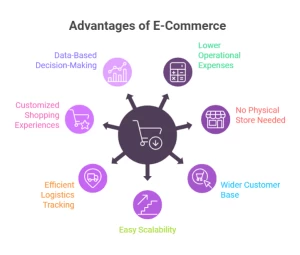
5. Supports E-Commerce
Mobile applications can provide another channel for online shopping.
An e-commerce app can allow customers to:
- Browse products
- Search categories
- Add items to a cart
- Place orders
- Track purchases
- Manage accounts
A well-designed shopping experience can make it easier for customers to interact with an online store.
6. Improves Customer Communication
Apps can provide direct communication channels between businesses and customers.
Depending on the application, businesses can use notifications and in-app features to provide information about:
- New services
- Product updates
- Important announcements
- Account activity
- Order information
Communication should remain relevant and useful to avoid overwhelming users.
7. Supports Business Automation
Mobile applications can connect with business systems and automate certain processes.
For example, an application may support:
- Online bookings
- Order management
- Customer requests
- Digital forms
- Account management
- Service tracking
Automation can reduce repetitive manual tasks and improve operational efficiency.
8. Provides Valuable Insights
Applications can generate useful information about how customers interact with digital services.
Businesses can analyze appropriate usage data to understand:
- Popular features
- User engagement
- Customer preferences
- App performance
- Service usage
These insights can help businesses improve their products and customer experience.
9. Creates Competitive Opportunities
A well-designed mobile application can help a business differentiate itself from competitors.
Businesses can use applications to provide unique features, convenient services, or improved customer experiences that align with their target audience.
10. Supports Long-Term Digital Growth
Mobile applications can evolve as business requirements change.
Future features may include:
- Online payments
- Customer loyalty systems
- Booking platforms
- AI-powered assistance
- Business dashboards
- Advanced notifications
- Integration with other digital services
A scalable application can therefore become an important part of a company's long-term digital strategy.
Important Features of a Professional Mobile App
A successful mobile application should focus on:
- Simple navigation
- Responsive interface
- Fast performance
- Secure data handling
- Reliable functionality
- Clear user experience
- Regular updates
- Scalable architecture
Security and privacy should also be considered throughout the development process.
How Solution Corridor Can Help
Solution Corridor Digital Consultant provides professional technology solutions designed to help businesses build and improve their digital presence.
Our services include:
- Mobile App Development
- Web Development
- Software Development
- E-Commerce Development
- SEO
- Digital Marketing
- Graphic Design
- AI Automation
We combine modern technologies with creative design and business-focused strategies to develop practical digital solutions.
Conclusion
Mobile app development can provide businesses with new ways to engage customers, improve convenience, strengthen their brand, and streamline digital services.
A successful app should not simply look attractive. It should solve real customer problems, provide a smooth experience, maintain appropriate security, and support clear business objectives.
With the right planning and professional development, a mobile application can become a valuable part of a modern business's digital strategy.













Comments